
EXPEDITION 2027
Unclimbed peak
ASAPURNA2027: aiming for the first confirmed ascent of a 7,140 m peak
An expedition to an unclimbed summit
The goal is the first confirmed ascent of Asapurna (Gangapurna West) in spring 2027.
Necessary cookies are needed for the site and the cart to work. With your consent, we will also remember for 90 days where you came from (a website or an ad), which helps us understand which advertising works. Yandex Metrica and Google Analytics will also be switched on: they count visits and record actions on pages. You can change your choice at any time in Cookie settings at the bottom of the page. Details in the Personal Data Processing Policy.
We use cookies to keep the site working and, with your consent, analytics and advertising (Yandex Metrica, Google Analytics). Details in the Personal Data Processing Policy.
EXPEDITION 2027
Unclimbed peak
An expedition to an unclimbed summit
The goal is the first confirmed ascent of Asapurna (Gangapurna West) in spring 2027.
SUMMIT ELEVATIONAnnapurna massif
7,140 m
Expedition fundraising goal
₽1,500,000
Raised: ₽0
0% of the goal raised
Leader of the mountaineering expedition
Leader of the “Asapurna 2027” expedition. He led the Russian expedition in autumn 2026 and was in a camp at about 6,400 metres while part of the team climbed to about 6,800 metres. He will lead the team again in spring 2027.
Member of the 2026 expedition
Member of the 2026 expedition
Member of the 2026 expedition
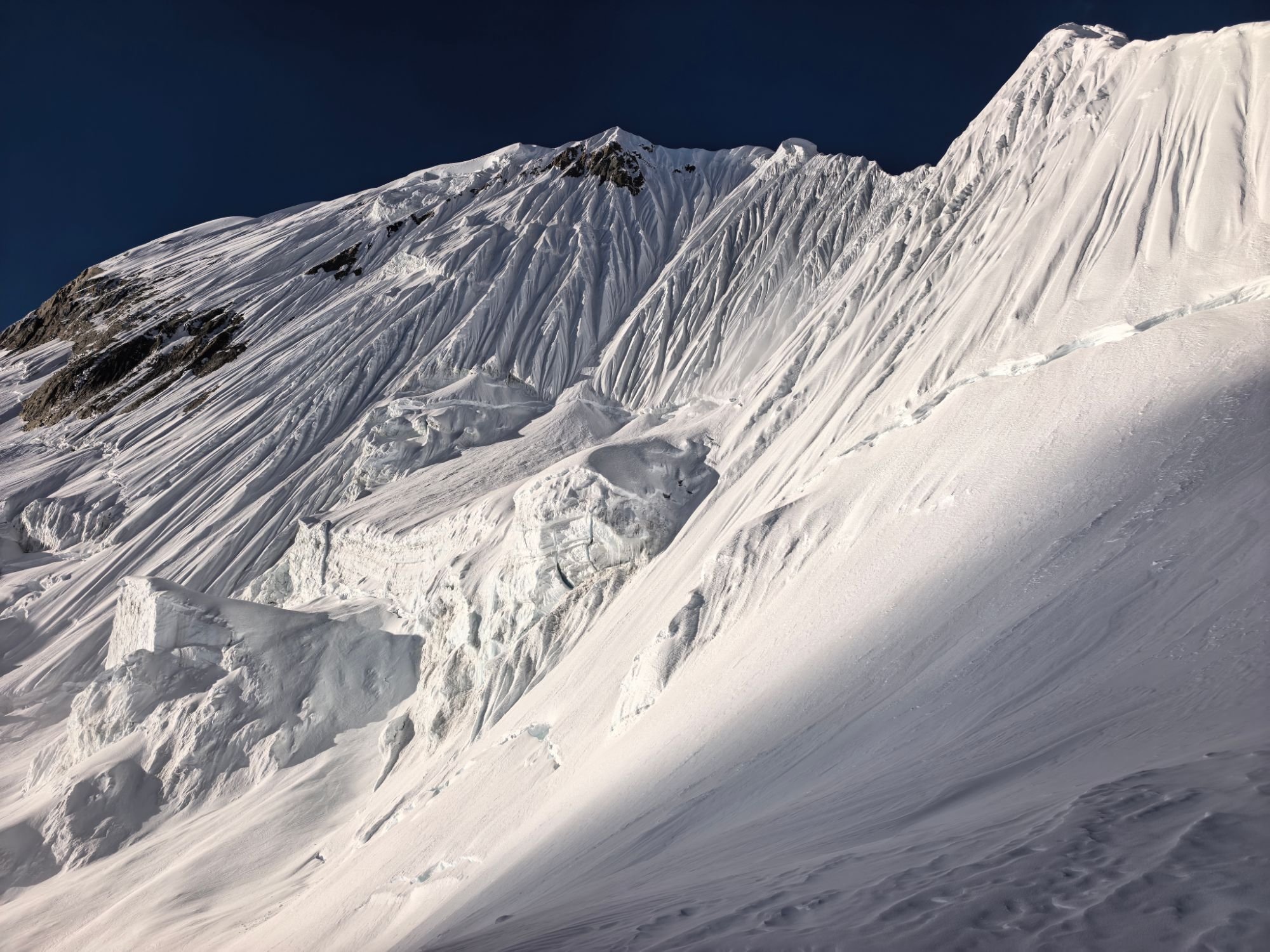
Asapurna is a 7,140-metre peak in the Annapurna massif in the Nepalese Himalaya. In expedition reports it is also known as Gangapurna West and Lachenal Peak. There is no confirmed first ascent of it yet.
In autumn 2026 a Russian expedition led by Valery Shamalo made an attempt on the peak. Part of the team reached about 6,800 metres, but snowfall and snow slides forced them to turn back. Everyone returned safely. The team studied the approaches, covered a significant part of the route and assessed the upper wall.
We plan to return in spring 2027. The reconnaissance of the previous expedition will help us adjust tactics, preparation and equipment. Valery Shamalo will lead the team again. The project is carried out with the support of the Mountaineering Federation of Leningrad and the Elbrus Expert mountain club.
Our goal is to make the first confirmed ascent of Asapurna and bring the whole team home. The decision to continue the climb will depend on the condition of the team, the weather and the conditions on the route.
The first ascent of Asapurna could be a world-class event. Despite the long history of Himalayan exploration, this 7,140-metre peak still has no confirmed successful ascents. If the Russian team reaches the summit, its route will enter the history of world mountaineering and open up new opportunities for future expeditions.
The project matters beyond sport. It brings together climbers, mountain clubs and people ready to support the team in achieving a difficult shared goal. The experience of preparing, of the first attempt and of returning to the route will be a valuable example for the next generation. We want to show how important skill, perseverance and trust in one another are — and the ability to decide in time to retreat when the safety of the team demands it.
You can support the expedition by buying official “Asapurna” merch or by becoming a sponsor of the project. Your support will help the team prepare for the climb and return to the route in spring 2027.

Asapurna is a 7,140 m peak in the Annapurna massif of the Nepalese Himalayas. In expedition reports it is also known as Gangapurna West and Lachenal Peak. There is no confirmed first ascent yet.
There are no confirmed successful ascents of Asapurna. Despite decades of Himalayan exploration, the 7,140 m peak remains without a confirmed ascent.
Asapurna is also called Gangapurna West and Lachenal Peak (7,140 m). The main Gangapurna is a separate 7,455 m peak. Peak names differ across historical publications, which causes confusion in route and ascent descriptions.
The expedition is led by Valery Shamalo, who also led the autumn 2026 attempt. The project is supported by the Leningrad Mountaineering Federation and the Elbrus Expert mountain club.
In autumn 2026 a Russian expedition led by Valery Shamalo attempted the climb. Part of the team reached about 6,800 m, but snowfall and avalanches forced them to turn back. All participants returned.
Japanese teams have worked in the area for more than 60 years. In 1971 Kiyoshi Shimizu's expedition planned the first ascent of Asapurna but continued to the main Gangapurna; Japanese climbers proposed the name Asapurna for the peak. In autumn 2026 Japanese climbers Hidenori Taneishi and Tetsu Hashimoto set out to climb Asapurna; both died, and the exact route of their team remains unestablished. See the "Past expeditions" page for details.
The team plans to return in spring 2027. The goal is the first confirmed ascent of Asapurna and returning with the whole team. The decision to continue will depend on the team's condition, the weather and route conditions.
You can buy official Asapurna merchandise or become a sponsor of the project. This support helps the team prepare for the climb and return to the route in spring 2027.
The decision to continue the climb depends on weather and route conditions.